AI (artificial intelligence)
The story in brief
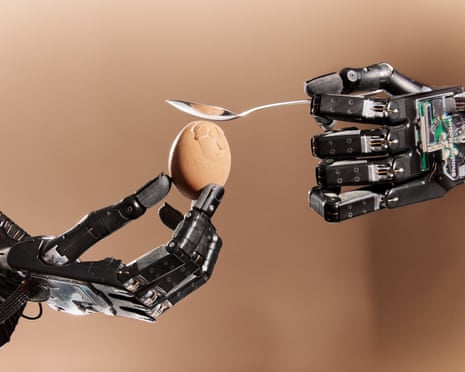
Recent reports highlight the accelerating integration of artificial intelligence across global industries, signalling a fundamental shift in how organisations operate. The narrative focuses on AI’s capacity to automate routine tasks while enhancing complex decision-making processes. This development underscores the growing necessity for digital literacy among employees at all levels. Rather than replacing human workers entirely, AI is increasingly viewed as a collaborative tool that augments productivity. Professionals are urged to understand these technological advancements to remain competitive in a rapidly evolving labour market, where adaptability and technical proficiency become key differentiators for career progression and organisational success.
What this means for your career
You must adapt now to stay relevant. AI proficiency is no longer optional; it is a core competency. Focus on developing skills in data analysis, prompt engineering, and ethical AI governance. Roles requiring critical thinking and emotional intelligence will rise in value, as machines handle routine processing. If you work in management, finance, or IT, you should immediately explore how AI tools can streamline your workflow. A smart professional audits their current skill set against emerging AI capabilities and upskills accordingly. Enrol in accredited courses that bridge technical knowledge with strategic application. Do not wait for your employer to mandate training; take initiative. Those who integrate AI into their daily practice will command higher salaries and secure more resilient career paths in this digital economy.
Original reporting: The Guardian ↗
Build the skills this story demands
Accredited UK qualifications from LSBR, studied 100% online.
Want to go deeper? Browse all Artificial Intelligence courses at LSBR — accredited UK qualifications studied 100% online.