AI may not work like the human brain after all, scientists discover
The story in brief
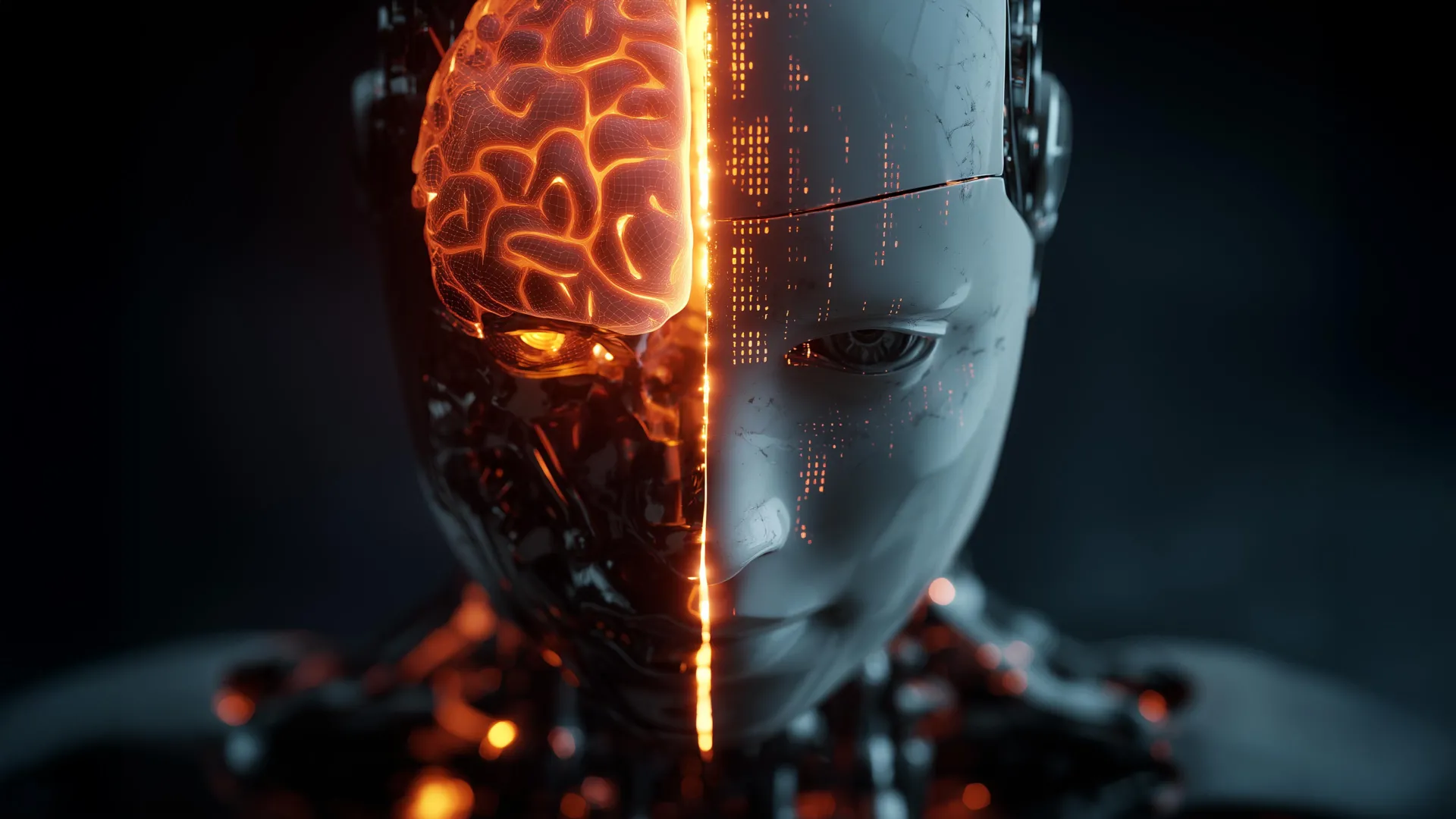
Recent scientific research challenges to the prevailing analogy between artificial intelligence and human cognition suggest that AI operates on fundamentally different principles than the brain. This discovery implies that current models of machine learning may not mirror human neural processes as previously assumed. For professionals, this signifies a shift in how we understand AI’s capabilities and limitations. Rather than viewing AI as a digital replica of human thought, experts are now recognising its distinct operational logic. This nuanced understanding is crucial for accurately assessing AI’s role in decision-making processes, highlighting the need for a more precise appreciation of technological strengths and weaknesses in professional environments.
What this means for your career
You must adapt your strategy as the myth of AI mirroring human thought dissolves. This shift elevates the value of uniquely human skills, such as critical thinking, ethical judgement, and complex strategic oversight. You should focus on understanding AI as a distinct tool with specific, non-human limitations. Professionals in data analysis, management, and technology must scrutinise AI outputs more rigorously, recognising where human intuition remains superior. Do not assume AI understands context like you do. Instead, invest in advanced digital literacy and leadership courses that emphasise human-AI collaboration. You need to position yourself as the expert who can interpret AI results within broader organisational goals, ensuring that technological efficiency does not override strategic wisdom or ethical considerations.
Original reporting: ScienceDaily ↗
Build the skills this story demands
Accredited UK qualifications from LSBR, studied 100% online.
Want to go deeper? Browse all Artificial Intelligence courses at LSBR — accredited UK qualifications studied 100% online.