Artificial intelligence and social integration paradox
The story in brief
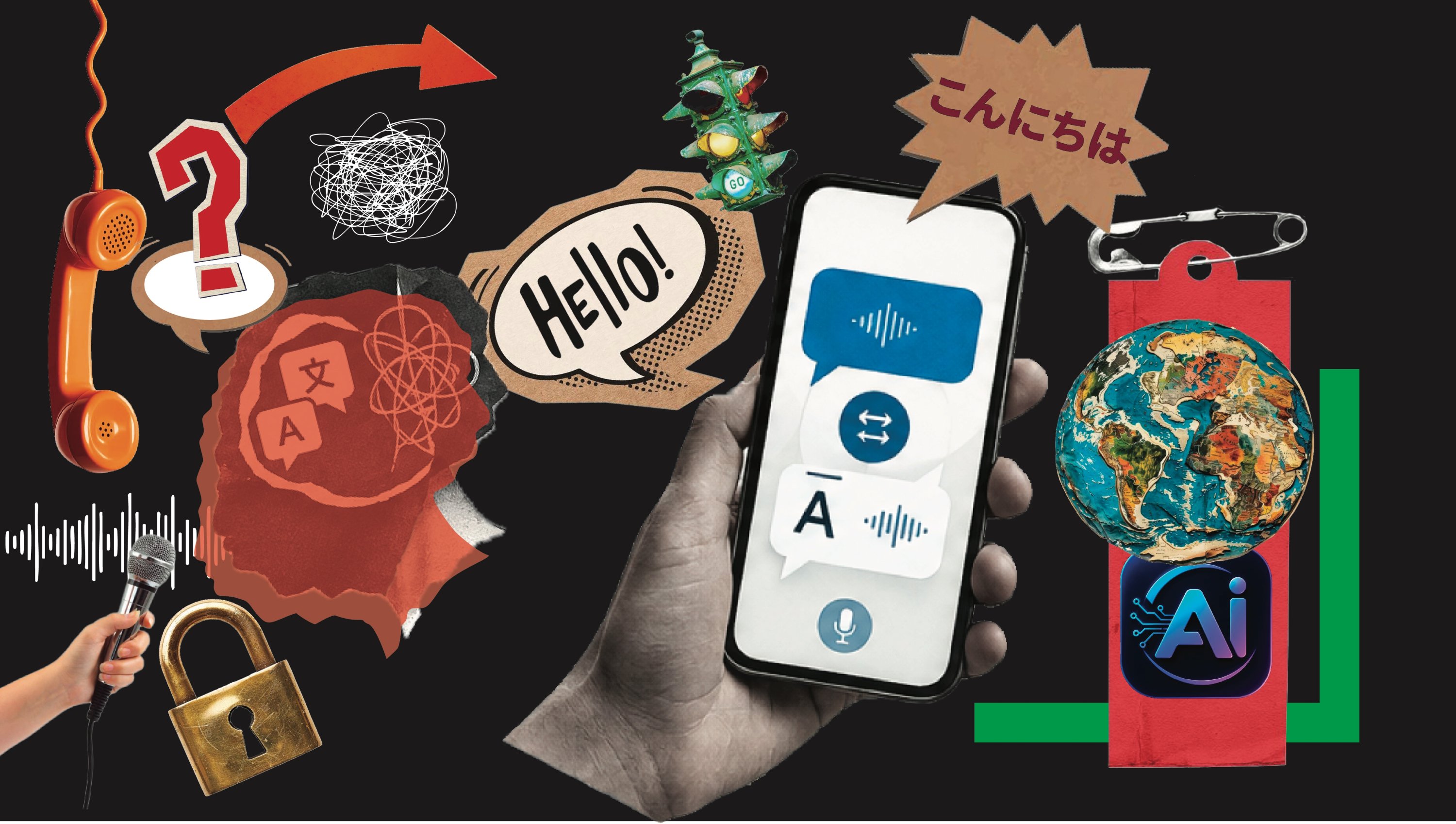
Recent reporting highlights a paradox where artificial intelligence, while designed to enhance connectivity, may inadvertently hinder social integration. The article suggests that as AI systems mediate more human interactions, they can create barriers to genuine community engagement and cultural understanding. This tension between technological efficiency and social cohesion presents a complex challenge for organisations relying on digital transformation. Professionals must recognise that increased automation does not automatically equate to improved workplace harmony or societal inclusion. The narrative underscores the need for critical evaluation of how AI tools are deployed within social and professional contexts, ensuring they support rather than replace meaningful human connection.
What this means for your career
You must now balance technical proficiency with heightened emotional intelligence. As AI handles routine tasks, your ability to foster genuine human connection becomes your primary competitive advantage. Focus on developing skills in conflict resolution, cross-cultural communication, and ethical leadership. Pay close attention to roles requiring nuanced interpersonal judgment, as these remain resistant to automation. A smart professional will actively seek opportunities to lead teams through digital transitions, ensuring technology serves people, not the reverse. Invest in training that enhances your empathy and collaborative capabilities. You should also advocate for inclusive AI policies within your organisation. By positioning yourself as a bridge between technology and human needs, you future-proof your career against the isolating effects of unchecked automation.
Original reporting: Daily Sabah ↗
Build the skills this story demands
Accredited UK qualifications from LSBR, studied 100% online.