Business Ontology Governs Business Concepts and Metrics for AI and Analytics
The story in brief
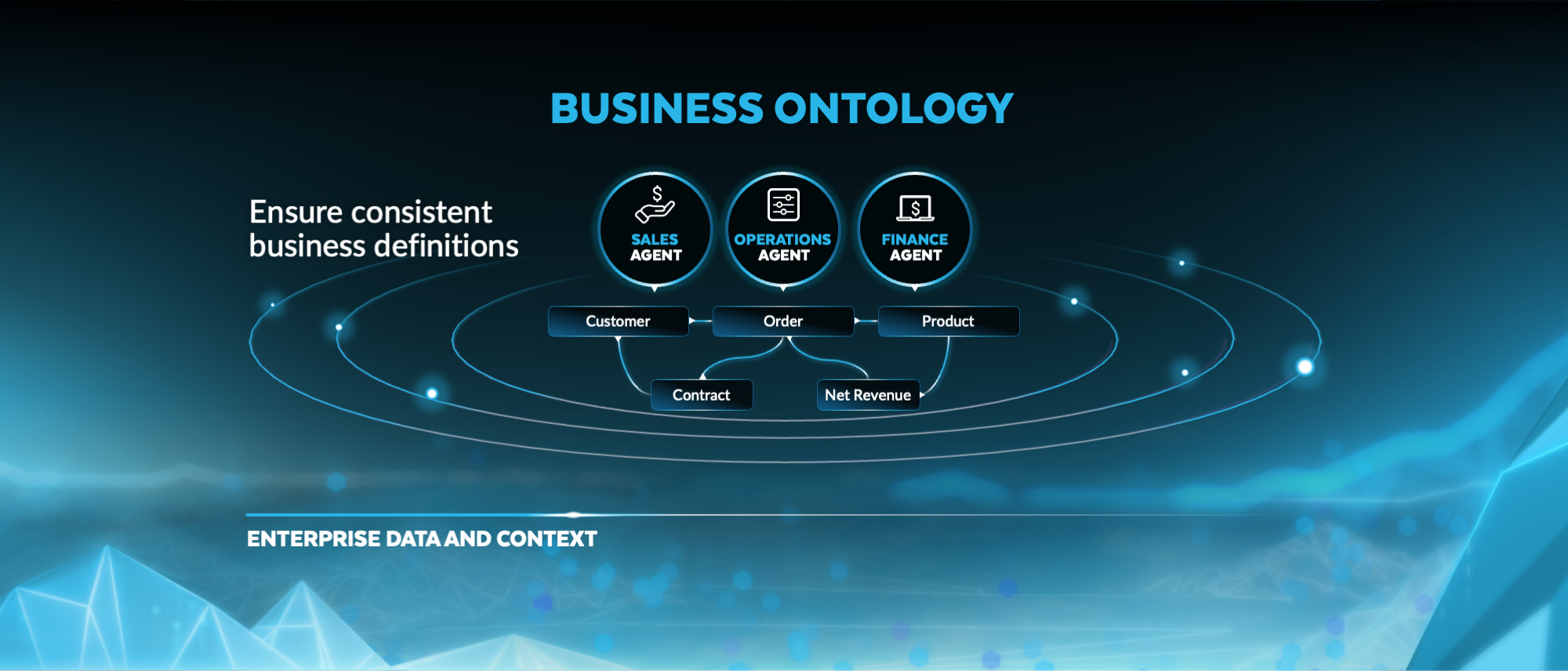
Snowflake highlights the critical role of business ontology in structuring data for artificial intelligence and analytics. This approach standardises business concepts and metrics, ensuring consistency across diverse data sources. By defining clear relationships between entities, organisations can enhance data quality and reliability. This foundational layer supports more accurate AI models and actionable insights. The report underscores the shift from raw data management to semantic clarity, enabling seamless integration of information systems. Professionals must recognise that effective analytics now depend on rigorous conceptual frameworks. This development signals a maturation in data strategy, where understanding business logic is as vital as technical proficiency. It addresses the challenge of fragmented data landscapes in modern enterprises.
What this means for your career
You must now prioritise semantic data literacy alongside technical skills. Traditional data roles are evolving; you need to understand how business concepts map to digital structures. Focus on mastering data modelling and ontology design, as these skills will determine your value in AI-driven projects. Professionals in strategy, operations, and analytics should pay close attention. You must bridge the gap between technical teams and business stakeholders by defining clear metrics. Start by documenting your organisation’s key business terms and relationships. Pursue training in data governance and conceptual modelling. This shift rewards those who can translate complex business logic into structured data frameworks. Ignoring this trend risks rendering your technical expertise obsolete. Act now to position yourself as a translator between data science and business strategy.
Original reporting: Snowflake ↗
Build the skills this story demands
Accredited UK qualifications from LSBR, studied 100% online.