Google Leaned Into A.I., Hurting Its Core Business
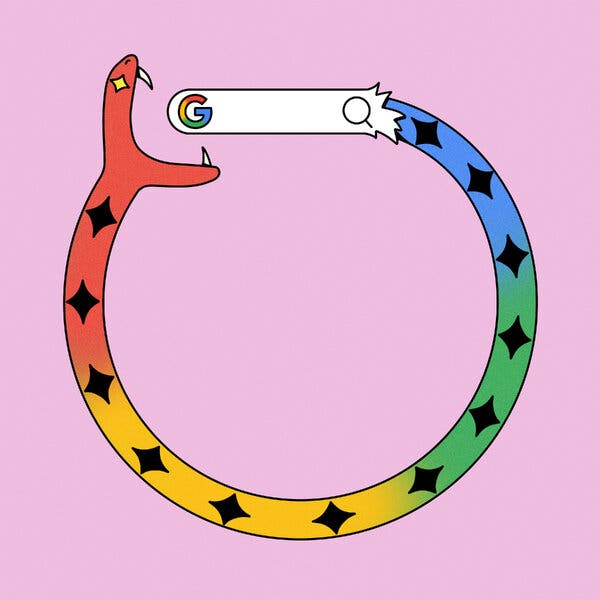
The story in brief
Recent reports indicate that Google’s aggressive pivot towards artificial intelligence has inadvertently disrupted its foundational search advertising revenue. As the tech giant reallocates resources to AI development, traditional search mechanisms face fragmentation, impacting user engagement and ad effectiveness. This strategic shift highlights the tension between innovation and legacy business models in the technology sector. For professionals, this underscores the volatile nature of digital platforms and the necessity of adapting to rapid technological changes that can destabilise established market leaders.
What this means for your career
You must recognise that AI is no longer merely a tool but a structural force reshaping core business models. Professionals in marketing and product management should prioritise understanding how AI alters user intent and data monetisation. Upskill in AI ethics and strategic digital transformation to remain relevant as traditional search paradigms erode. Monitor emerging platforms that leverage generative AI for discovery, as these will likely capture market share from incumbents. Diversify your expertise beyond conventional digital marketing metrics. Instead, focus on integrating human-centric value propositions with automated systems. Those who can bridge the gap between technical AI capabilities and sustainable business strategy will command premium roles. Stay agile, continuously audit your skill set against industry shifts, and prepare for roles that require managing the complex interplay between legacy systems and disruptive innovations.
Original reporting: The New York Times ↗
Build the skills this story demands
Accredited UK qualifications from LSBR, studied 100% online.
Want to go deeper? Browse all Business & Management courses at LSBR — accredited UK qualifications studied 100% online.