New Allied Health Concentration Fuses Healthcare Delivery with Emerging Technologies
The story in brief
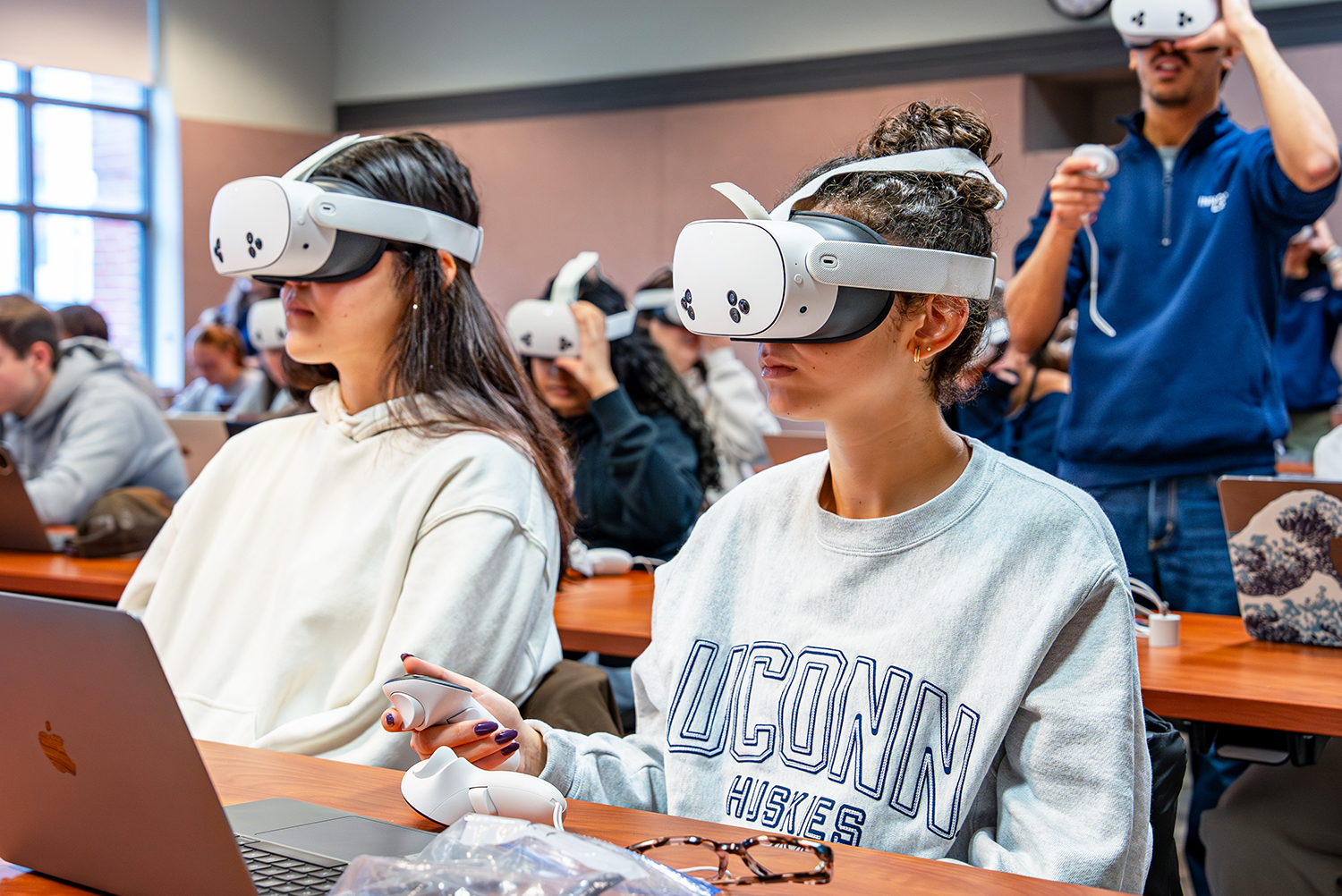
The University of Connecticut has introduced a new academic concentration that integrates traditional allied health professions with emerging technologies. This programme is designed to bridge the gap between clinical healthcare delivery and digital innovation. It aims to equip students with the expertise needed to navigate the rapidly evolving landscape of modern medical services. The curriculum focuses on applying technological solutions to improve patient outcomes and operational efficiency within healthcare settings. This development highlights a growing institutional recognition of the need for hybrid skill sets in the health sector.
What this means for your career
This shift signals that technical proficiency is no longer optional for healthcare professionals. Your career prospects will improve significantly if you combine clinical knowledge with digital literacy. Professionals in nursing, therapy, and administration should pay close attention to these developments. You must upskill in health informatics and data analysis to remain competitive. Smart practitioners will seek training that merges operational management with technological application. Consider pursuing qualifications that cover both health service delivery and digital transformation. By positioning yourself at this intersection, you become indispensable to organisations striving for efficiency. Do not ignore the digital dimension of care; instead, embrace it to drive better outcomes and secure your long-term professional relevance in a tech-driven industry.
Original reporting: UConn Today ↗
Build the skills this story demands
Accredited UK qualifications from LSBR, studied 100% online.