Radiology AI excels in certain real-world healthcare settings more so than others
The story in brief
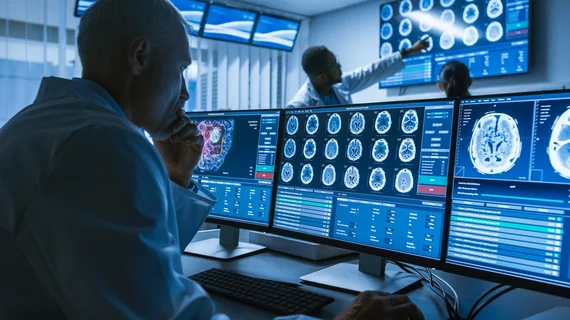
Recent reporting indicates that artificial intelligence tools in radiology demonstrate variable performance across different real-world healthcare environments. While AI excels in specific diagnostic contexts, its efficacy is not uniform, suggesting that technological implementation depends heavily on local infrastructure and clinical workflows. This nuanced reality challenges the assumption of universal AI superiority, highlighting the need for careful integration strategies within medical institutions rather than blanket adoption of automated systems.
What this means for your career
You must recognise that AI is a tool, not a replacement for clinical judgement. This development elevates the value of professionals who bridge technical innovation with practical healthcare delivery. Focus on developing skills in digital health governance, data interpretation, and change management. If you work in health or social care, you should audit how AI tools fit into your specific operational context. A smart professional would now prioritise upskilling in health informatics and ethical AI application, ensuring you can critically evaluate technology rather than passively accepting it. Position yourself as a leader who can navigate the complexities of integrating advanced diagnostics into diverse clinical settings.
Original reporting: Radiology Business ↗
Build the skills this story demands
Accredited UK qualifications from LSBR, studied 100% online.