Smart homes of the future must put people before technology
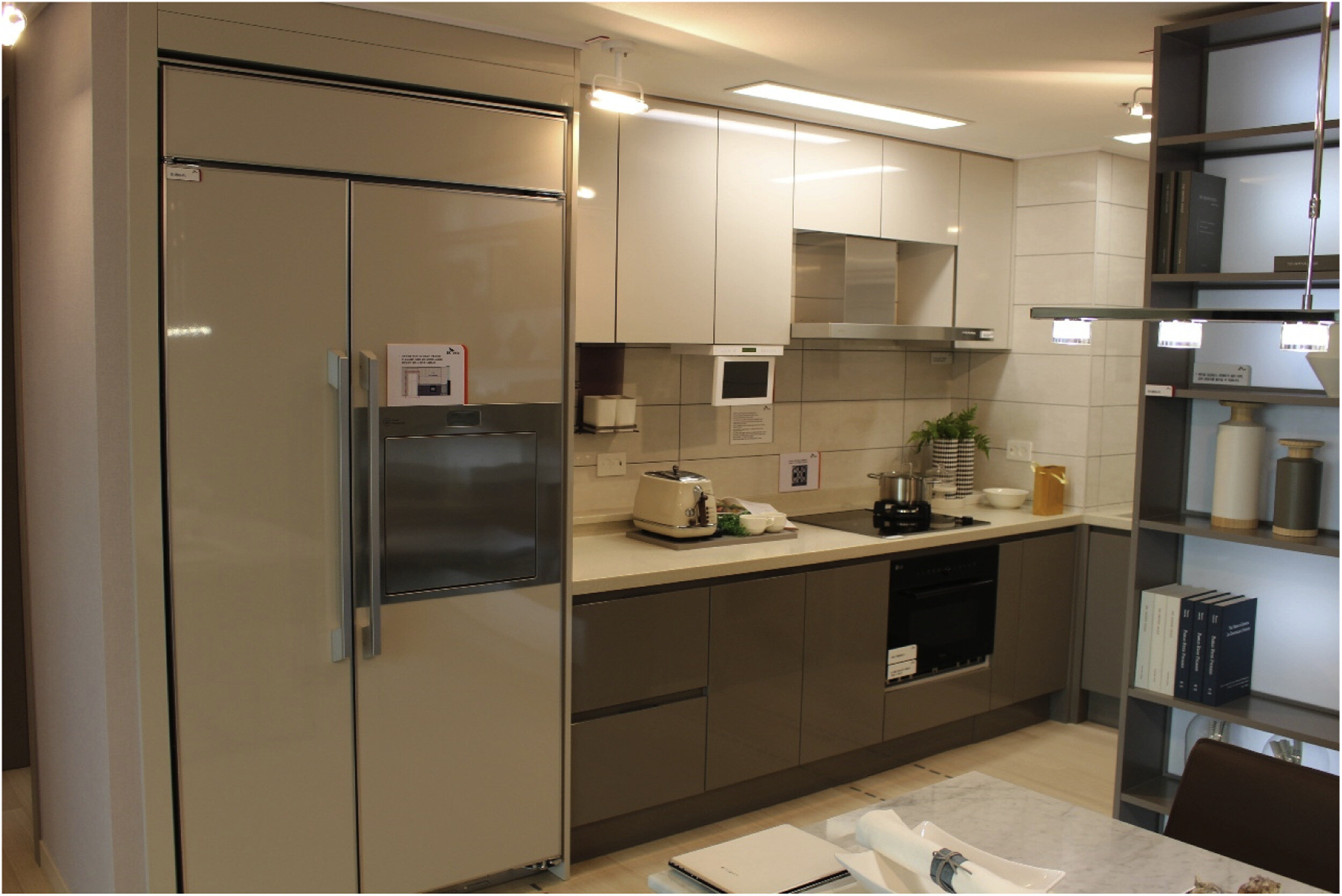
The story in brief
Recent analysis suggests that the future of smart home technology depends on prioritising human needs over technical capabilities. Industry experts argue that current innovations often overlook user experience and accessibility, creating barriers for everyday adoption. The report highlights a necessary shift towards user-centric design, ensuring systems are intuitive and reliable rather than merely complex. This approach aims to bridge the gap between advanced automation and practical daily living, fostering greater trust and engagement among consumers who seek seamless integration into their domestic environments.
What this means for your career
You must pivot from viewing technology as a standalone product to understanding it as a service framework. Professionals in product management, UX design, and strategic consulting will see rising demand for skills in human-centred design and behavioural psychology. If you operate in tech or property sectors, you should immediately audit your current projects for accessibility and user friction. Stop focusing solely on feature density; start prioritising ease of use and emotional resonance. A smart professional will upskill in service design and data ethics, ensuring solutions respect privacy while enhancing quality of life. Position yourself as a bridge between engineers and end-users, translating technical possibilities into tangible human benefits.
Original reporting: Tech Xplore ↗
Build the skills this story demands
Accredited UK qualifications from LSBR, studied 100% online.
Want to go deeper? Browse all Information Technology courses at LSBR — accredited UK qualifications studied 100% online.