The Data Center Financing Gap: Five-Year Servers, 30-Year Buildings
The story in brief
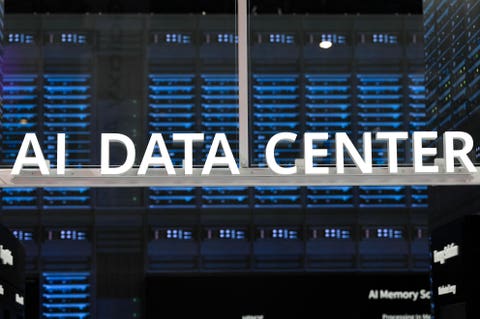
A recent report highlights a critical mismatch in data centre infrastructure financing. While physical buildings often require thirty-year investment horizons, the servers housed within them typically have a five-year lifespan. This disparity creates significant financial risk for operators and investors who struggle to align asset depreciation with long-term capital structures. The story examines how this gap complicates funding models and threatens the sustainability of rapid digital expansion. Professionals must recognise that traditional real estate valuation methods are increasingly inadequate for tech-heavy infrastructure. Understanding this structural tension is essential for navigating the evolving landscape of digital asset management and infrastructure investment in the modern economy.
What this means for your career
This structural mismatch demands that you rethink how you approach infrastructure investment and asset management. If you work in finance or real estate, you must now understand technology depreciation cycles to accurately model returns. Professionals in project management need to bridge the gap between construction timelines and IT refresh rates. To stay competitive, upskill in infrastructure finance and technology lifecycle management. Analyse how your organisation values digital assets versus physical ones. Consider specialising in hybrid roles that combine property development with IT strategy. This shift creates high-value opportunities for those who can translate technical constraints into financial strategy. Start by auditing your current knowledge of data centre economics and pursue accredited qualifications that integrate business strategy with technological operational realities.
Original reporting: Forbes ↗
Build the skills this story demands
Accredited UK qualifications from LSBR, studied 100% online.
Want to go deeper? Browse all Finance & Accounting courses at LSBR — accredited UK qualifications studied 100% online.