To make AI morally good, tech companies are turning to religion. But some say it isn't that simple
The story in brief
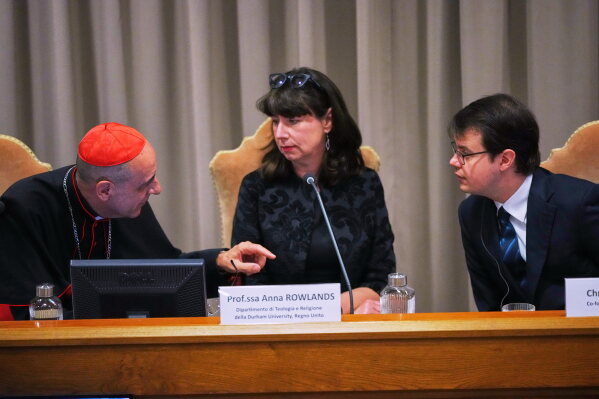
The article reports that technology firms are increasingly consulting religious scholars and integrating theological frameworks to guide the ethical development of artificial intelligence. While proponents argue that ancient moral traditions offer robust guidance for complex algorithmic decisions, critics caution that such approaches are overly simplistic and potentially exclusionary. The piece highlights the growing tension between rapid technological advancement and the search for universal moral standards, suggesting that tech companies are exploring diverse philosophical sources to address concerns about bias, accountability, and the societal impact of autonomous systems.
What this means for your career
You must adapt your professional toolkit to navigate this emerging intersection of ethics and technology. Roles in corporate governance, compliance, and strategic leadership now require a nuanced understanding of digital ethics beyond standard regulatory frameworks. Professionals in HR and management should prioritise candidates who demonstrate strong moral reasoning and cultural literacy. To stay competitive, you should actively study the philosophical underpinnings of AI ethics, not just the technical specifications. Engage with cross-disciplinary teams that include ethicists and social scientists. By developing a hybrid skill set that combines business acumen with ethical foresight, you position yourself as a critical advisor capable of mitigating reputational risk and ensuring your organisation’s AI initiatives align with broader societal values.
Original reporting: AP News ↗
Build the skills this story demands
Accredited UK qualifications from LSBR, studied 100% online.